
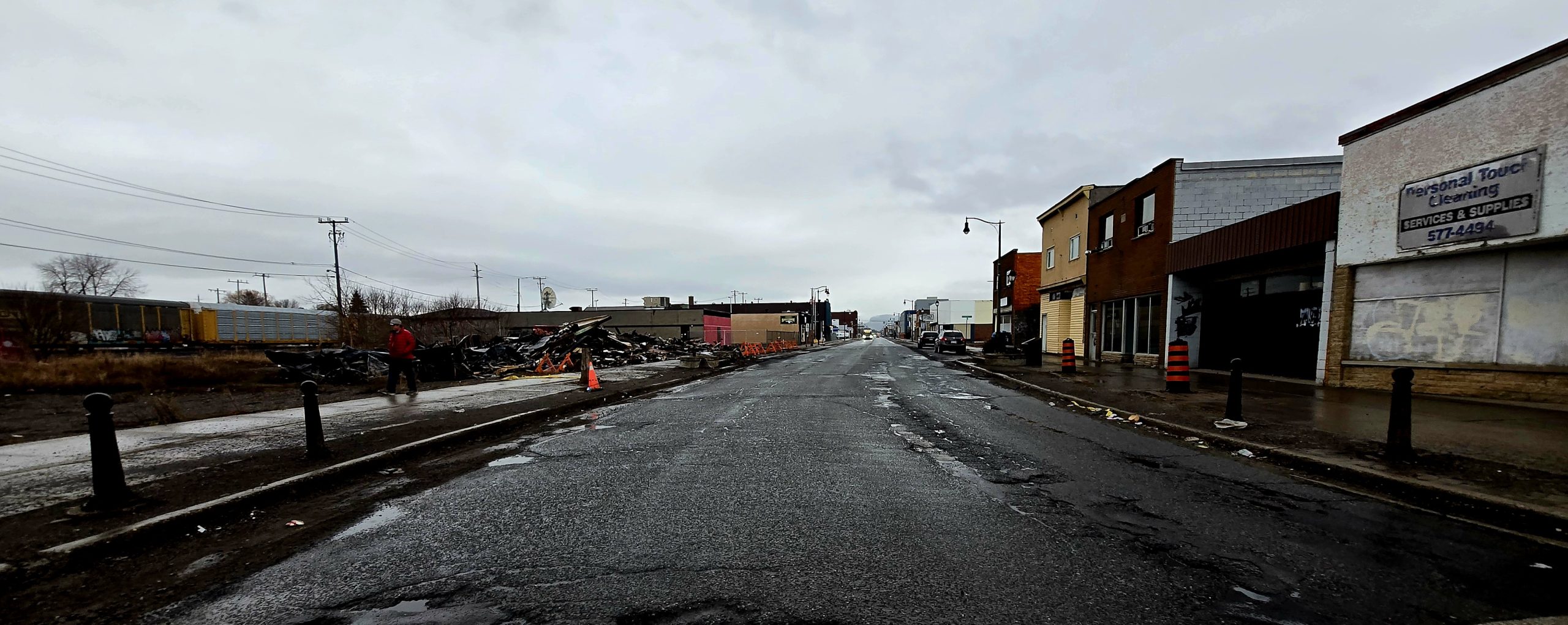

There are parts of Thunder Bay that people do not walk through anymore, not slowly, not comfortably, and certainly not without looking over their shoulder. That is not an exaggeration or a narrative constructed for effect but a lived and shared reality for many who pass through the south core, where entire stretches of Simpson Street, May Street, Victoria Avenue, and Syndicate Avenue have, over time, become defined not by vitality or commerce but by vacancy, deterioration, and a persistent sense that something has been left behind and allowed to unravel.
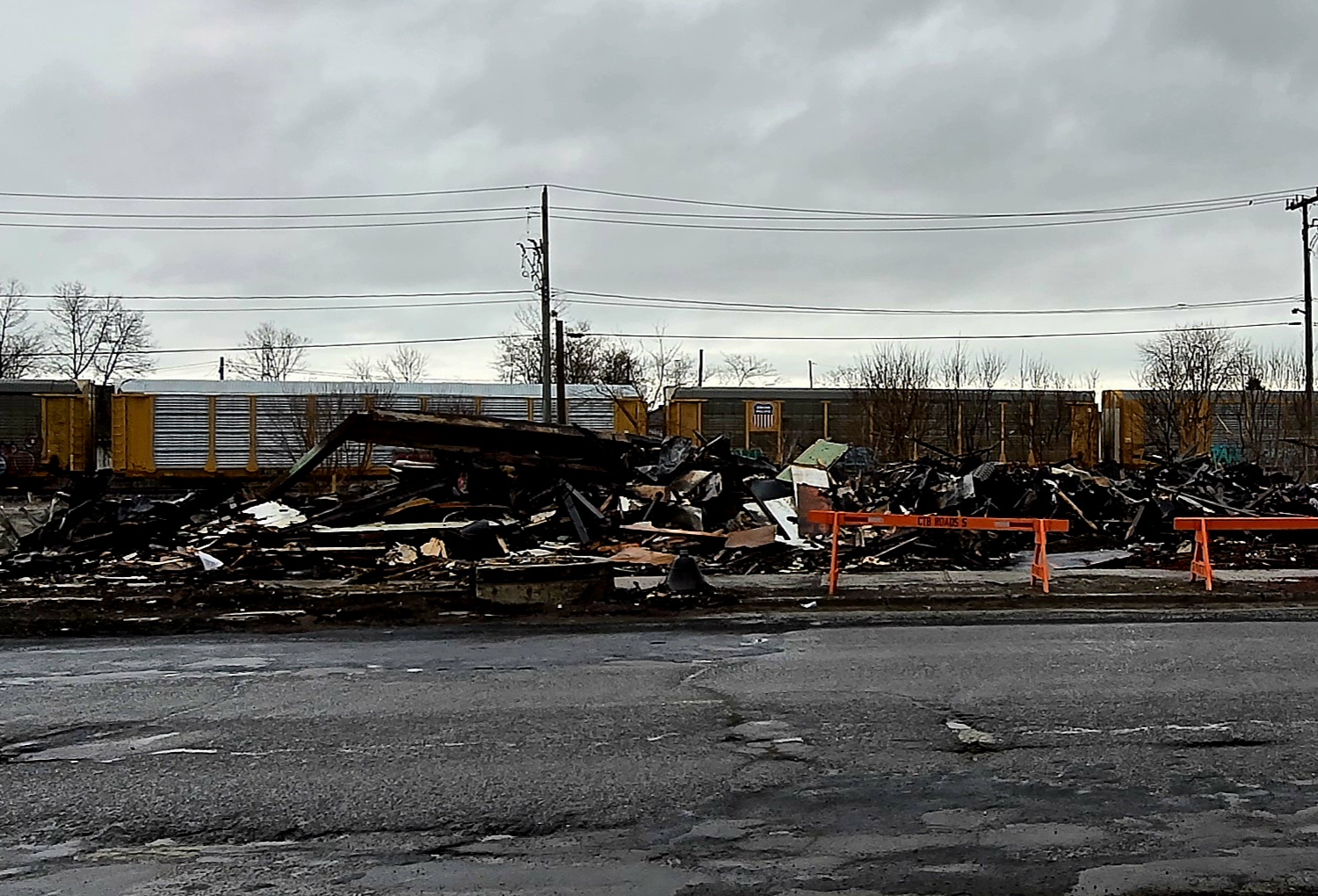
This is not a new condition, nor is it an invisible one. It surfaces again and again in local reporting, in conversations, and increasingly in moments of crisis that briefly force attention onto what has long been tolerated, such as the recent fire on Simpson Street that destroyed multiple derelict buildings -structures that had not only fallen into disrepair but were still being occupied in unsafe conditions, prompting emergency demolition and once again raising the question of how such properties are allowed to exist, unchecked, in the heart of the city.
And yet, even in the aftermath of destruction, the conversation turns not toward a coordinated, strategic reclamation of these spaces, but toward isolated responses, temporary fixes, and the continuation of a pattern that has defined this area for decades: neglect followed by reaction, rather than intervention followed by renewal.
What is perhaps most striking is not that these conditions exist, but that they exist alongside a set of legal and planning tools that would allow the City of Thunder Bay to act decisively, to take control of properties that have been abandoned or allowed to deteriorate to the point of public risk, and to assemble land in a way that could support meaningful, large-scale redevelopment, including housing, mixed-use corridors, and community-serving infrastructure.
Read: Missed Opportunity for Renewal in Thunder Bay: Where Cities Choose to Build
Under Ontario law, municipalities are not powerless in the face of decline; they are, in fact, equipped with the authority to enforce property standards, to compel repairs, to issue fines and liens, to recover costs through taxation, and, where necessary, to acquire properties through tax sale or even expropriation where a clear public interest can be demonstrated, and there is little question that blocks defined by fire risk, structural instability, and ongoing social vulnerability meet that threshold.
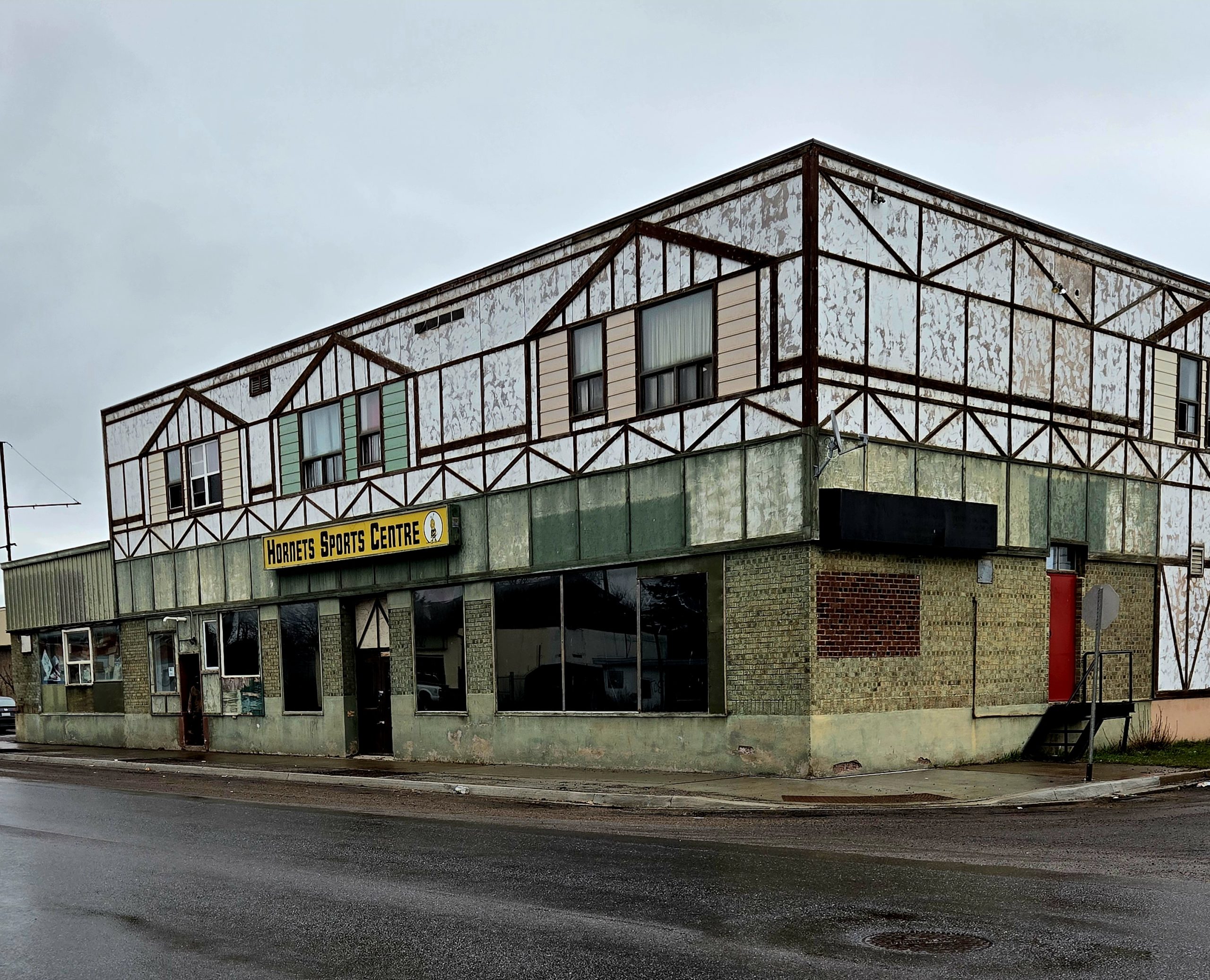
And still, these tools remain underused, or at the very least under-coordinated, in the very areas where they would have the greatest impact.
The result is a landscape where buildings are not simply aging but actively failing, where boarded windows and burned-out shells sit beside active streets, where people live in conditions that are neither safe nor dignified, and where the broader community absorbs the consequences in the form of increased crime, visible addiction, untreated mental health crises, and a pervasive sense of insecurity that shapes how and whether people move through these spaces at all.
This is not just about aesthetics, although the visual impact is undeniable, because entire blocks now communicate abandonment in a way that affects perception, investment, and community pride. More importantly, it is about the cumulative effect of inaction, and the way in which neglect, when allowed to persist at scale, becomes normalized.
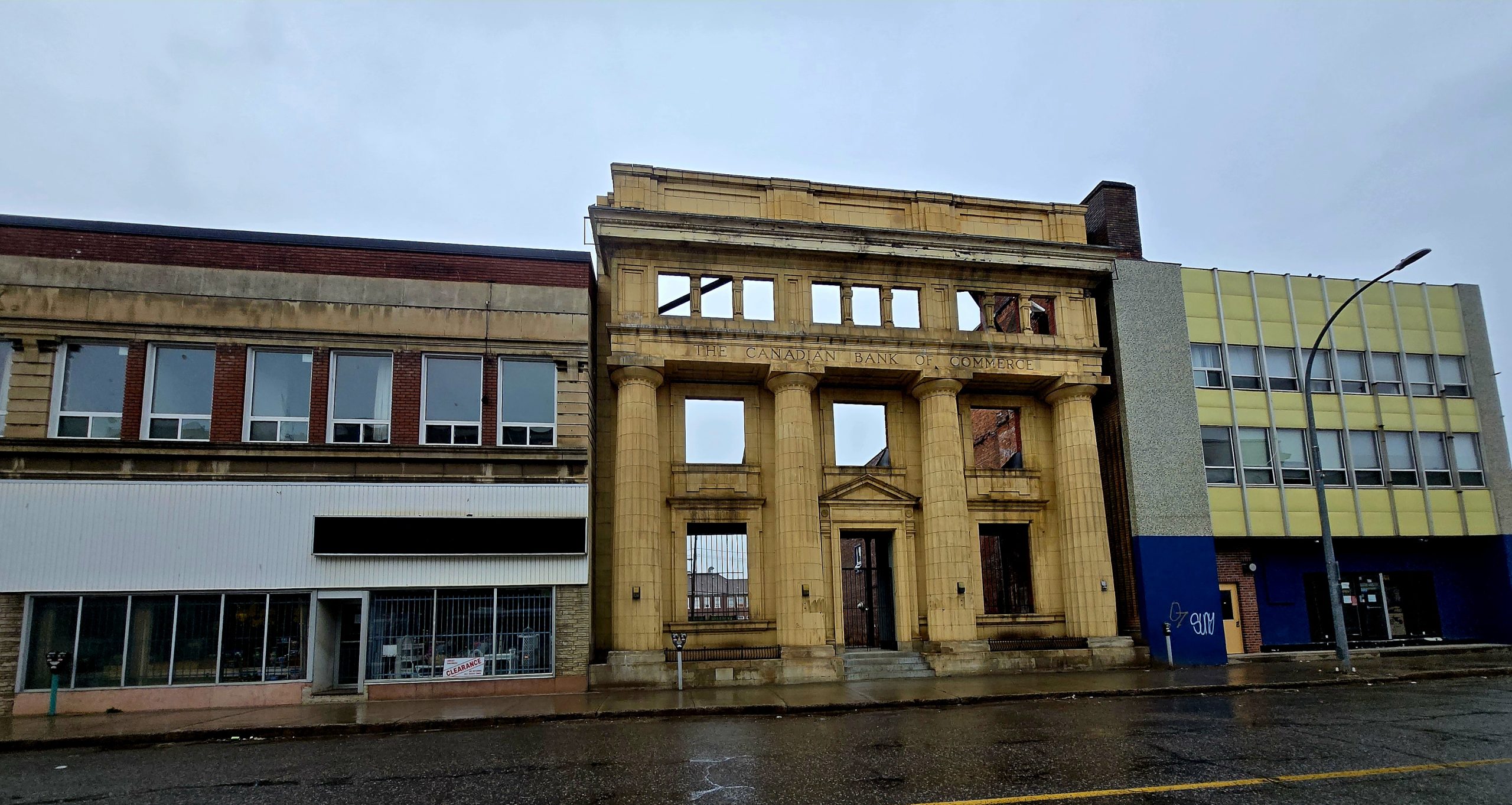
And yet, within that same landscape, there is repeatedly acknowledged potential for renewal, for reinvestment, and for the kind of transformation that has been pursued successfully in other parts of the city, particularly when there is alignment between policy, funding, and political will.
That alignment is precisely what programs like the federal Housing Accelerator Fund (HAF) are designed to support, prioritizing intensification within existing built-up areas, the redevelopment of underutilized land, and the removal of barriers that prevent housing from being built where it is most needed and most appropriate.
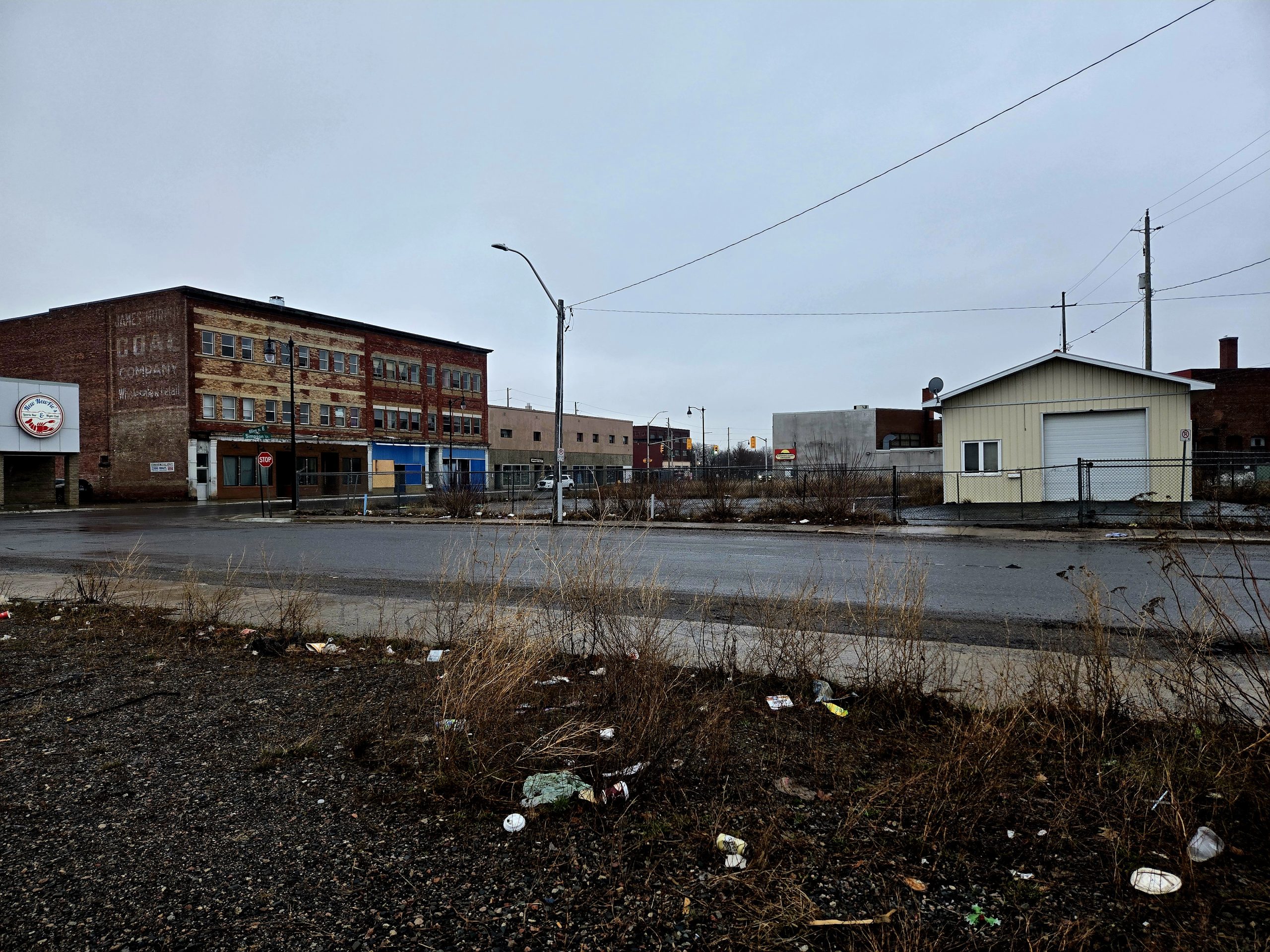
It is difficult to imagine a more appropriate application of those priorities than the corridors that run through the south core, where multiple properties -identified by the City itself as Opportunity Sites, sit within blocks of one another, forming a contiguous geography of underuse that could, if approached strategically, be transformed not just parcel by parcel but as a unified redevelopment effort that addresses housing, safety, and economic activity all at once.
Instead, what we are seeing is a divergence between what is possible and what is being pursued.
While these corridors remain in a state of prolonged decline, the City is advancing development proposals that would place high-density housing within established greenspace, including the Arundel parkland, which has functioned as a open, natural park for decades, that is relied upon by the surrounding community, and that continues to provide ecological, recreational, and social value in a part of the city that is otherwise defined by stability and residential continuity.
This is not simply a planning decision; it is a statement of priorities.
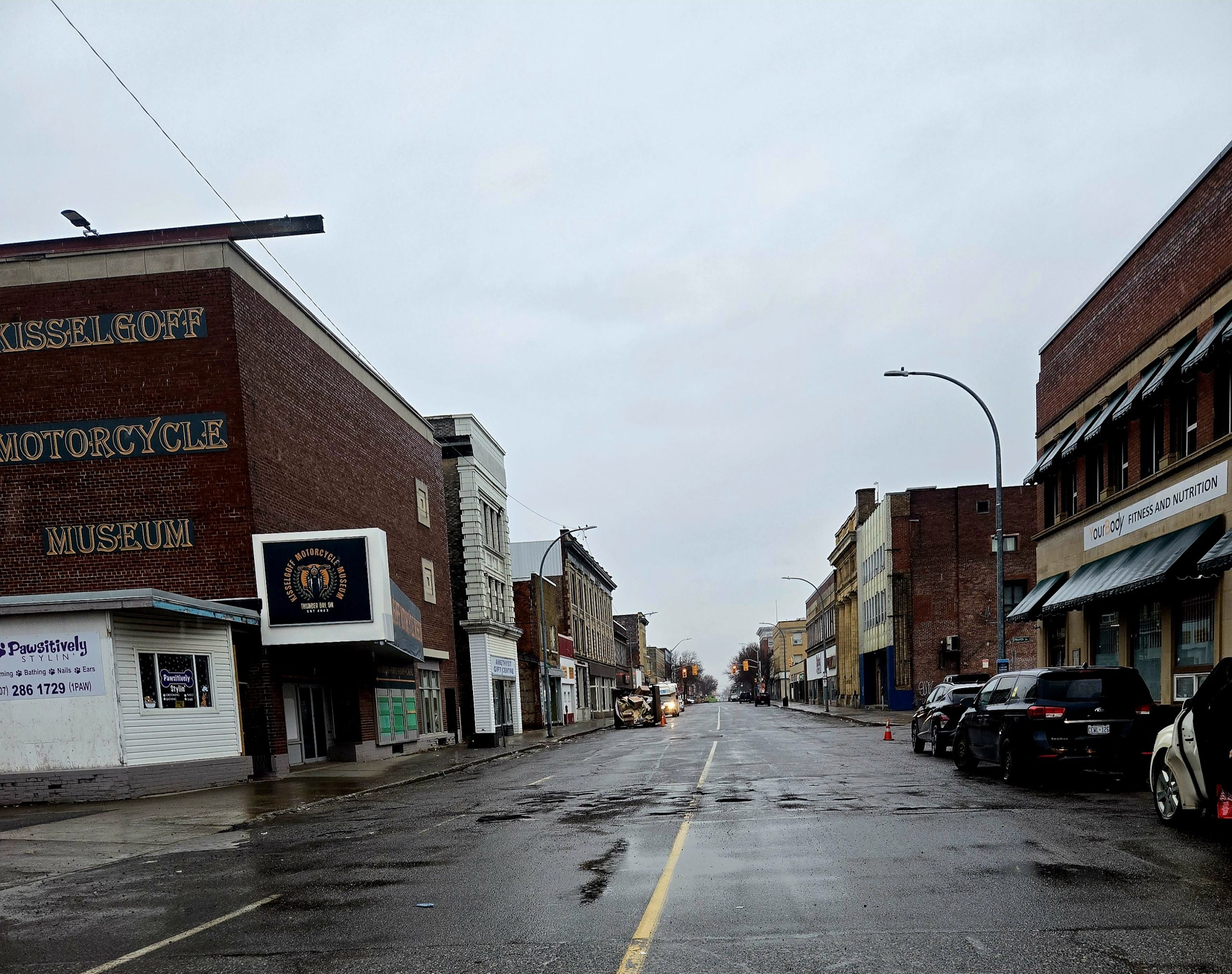
It is a choice to build where it is easiest, rather than where it is needed most. It is a choice to avoid the complexity of reclaiming derelict land -of enforcing standards, applying pressure, assembling parcels, and coordinating redevelopment -in favour of developing land that is already accessible, already cleared, and already functioning as intended.
In making that choice, the City is not only foregoing the opportunity to address some of its most visible and pressing challenges, but is also setting a precedent that greenspace, even when long-established and widely used, is more expendable than neglected property.
That is a difficult message to reconcile.
The same city that has allowed buildings to sit vacant, to burn, to be demolished in emergency conditions, and to remain as empty lots or unstable structures for years, is now prepared to remove functioning greenspace from a neighbourhood that has not experienced that level of decline.
And so the question is no longer whether Thunder Bay has the tools to revitalize its most challenged areas -it does, but whether it is willing to use them, and whether it is prepared to align its actions with the principles it claims to support: intensification where infrastructure exists, renewal where decline is evident, and housing built in places that strengthen, rather than fragment, the fabric of the city.
We do know where to build. We see it every day. We pass it, we avoid it, we talk about it, and sometimes we fear it.
Until areas within in the McKellar ward are no longer treated as permanent conditions for intervention, instead of neighbourhoods worthy of reinvestment, the conversation about where housing belongs will remain incomplete. And decisions about whether or not to build high-rises in parklands and greenspaces reflect a failure of vision, planning, and political will.
*****
* The City of Thunder Bay has identified several Opportunity Sites listed for development, including 4 parcels located within the McKellar Ward: 1) the block bound by Miles, North, and Simpson Streets; 2) Victoria and Simpson intersection; 3) Brodie and Arthur Street-2 sites; and 4) property along May Street.

