

On paper, it was framed as routine, a “surplus” property, a step toward “densification.” A decision aligned with “community zoning” and “housing need”.
That decision, to include parkland as surplus inventory for potential sale and development, marked an early turning point in how the City of Thunder Bay came to view park and greenspaces as disposable assets.
A park space -known, valued, and woven into the daily life of the Thunder Bay community, has now been greenlit for sale. On April 7th, 2026, Thunder Bay City Council approved next steps required to formalize the sale of 791 Arundel. Pending rezoning of this loved for decades-long parkland, the successful proponent, Terralux General Contractors, could break ground in 2028 to begin development of approximately three high-rise or several mid-rise apartment buildings that will support 400-units. City Council, at the same meeting, also approved the sale of two more properties.
In November 2025, the City’s announcement that the 791 Arundel parkland was being sacrificed for development, incited hundreds of Current River residents to raise concerns about its’ potential loss.
To some, it is a single project. But to many in the community, it represents something more consequential: a pivot in how parkland is understood and what can be done with it. Across cities around the world, the loss of greenspace rarely begins with sweeping change.
There is a subtle moment when a city crosses a conceptual line -a park is no longer a park, but rather “surplus” or “vacant land.” That is the crucial tipping point because once that happens, the question is no longer should we build in parks but where else can we build.
That swing in thinking is already visible in the language surrounding Arundel. Including one statement from Counsellor Etreni -and often repeated by her colleagues, “A multi residential building uses far less land than creating the same number of homes as single family houses. If hundreds of detached homes were built instead, it would require clearing a much larger area of greenspace. Concentrating housing on a smaller footprint helps protect more natural space across the city.”
At face value, this suggests efficiency but embedded within is a deeper assumption that building in a park is acceptable -as long as it is done vertically.
That represents a significant change in how we value greenspace in our community, and definitely a hallmark of strategic greenwashing. And besides, we all know the best building strategy to protect “more natural space” is to not develop in parks and greenspaces in the first place.
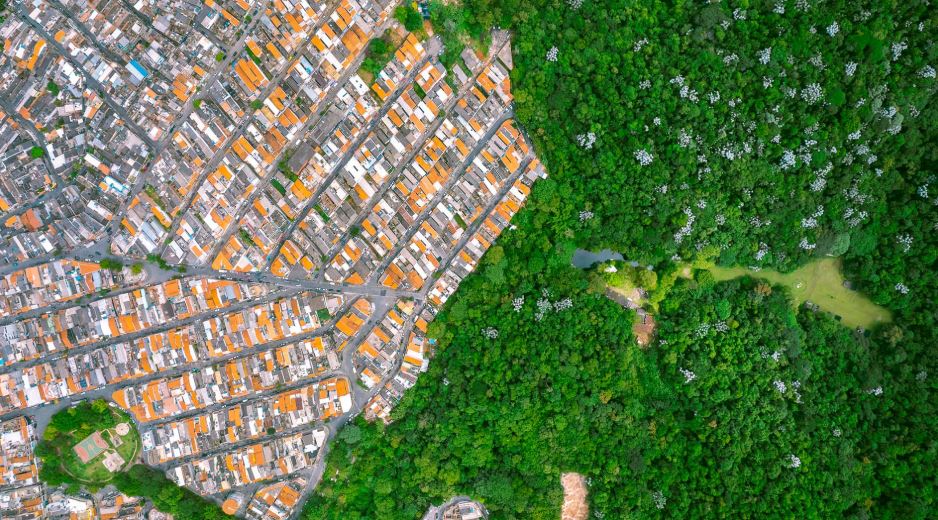
In São Paulo, development began with edges -small, incremental incursions into greenspace that were each individually justified. A roadway cut through a corridor; a development extended slightly beyond the urban boundary; and a piece of natural land repurposed.
Each decision made sense on its own but, over time, the cumulative effects became visible. Greenspace did not just shrink -it fractured. Large, continuous ecological systems were broken into disconnected patches, reducing their ability to regulate temperature, manage water, and sustain biodiversity.
In rapidly growing municipalities, like Accra ,Ghana, development did not simply expand -it accelerated. As land use began to change, it created momentum. More people moved in, more land was cleared, and what was temporary became permanent. Even where policies existed, they struggled to keep pace with change.
In many American cities, parks were not removed -they were surrounded.
As density increased, greenspace per person declined. What once felt expansive became constrained, then strained, and eventually degraded. On the ground, the impacts are visible. Grass and meadows were reduced to dust under constant use, natural infrastructure was strained beyond capacity, and peaceful spaces were replaced by crowds. The parks remained but its function changed.
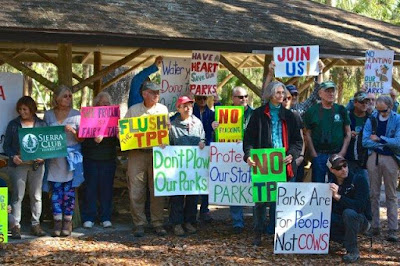
Even small losses matter. In New York City, the removal of trees -not entire parks, sparked concern because residents understood that environmental decline happens incrementally. Each change affects the system as a whole.
Across these examples, what emerges is not a series of isolated cases but a consistent pattern of incremental change. Once development enters a greenspace, it rarely stops there.
Back in Thunder Bay, the Arundel decision reflects more than precedent -it reflects prioritization. While parkland has been reclassified as “surplus,” the City has already identified multiple alternative sites for development -many of which are not greenspace. Through its Opportunity Sites initiative, ten locations were identified. Seven of those are not located on greenspace. Yet only a fraction of those sites are being actively pursued. At the same time, parkland -zoned for community use and functioning as public space, has moved forward.
There are clear alternatives.
A city-owned vacant lot at 306 Victoria Avenue East, for example, sits within an area already targeted for revitalization. Development there would align with existing strategies while preserving parkland.
The question is not whether housing is needed but rather, “Why is growth is being directed into parks and greenspaces when other options exist?”
The Arundel development has been framed as generating an annual revenue in property tax generated by building high-rise apartment buildings in the park. But that figure represents only one side of the ledger.
It does not account for the long-term financial costs associated with the loss of greenspace -costs that are diffuse, cumulative, and often absorbed gradually into municipal systems over time. When natural land is replaced with built form, the City assumes new and ongoing obligations.
Stormwater that was once absorbed by soil must now be managed through engineered infrastructure. Runoff increases, placing strain on drainage systems and contributing to pollutants entering nearby waterways. In areas connected to systems like Boulevard Lake and Current River, these impacts are cumulative and long-term.
At the same time, reducing greenspace concentrates use in the parks that remain. Increased use accelerates wear, requiring more frequent maintenance and investment.
There are also broader economic effects. Greenspace contributes to property values, neighbourhood desirability, and overall quality of life-factors that support a stable tax base.
When those spaces are reduced or degraded, those benefits diminish. The financial equation is not simply what is gained but also what is lost -and what it will cost to manage over time.
The concern is not abstract, it is geographic and population driven. The loss of park space on Arundel and increased population densification will extend pressure toward Boulevard Lake, Current River, the Bluffs, and Centennial Park. These are connected systems. When one piece is removed, the pressure shifts. As our greenspace is reduced, the pressure on what remains will become visible.
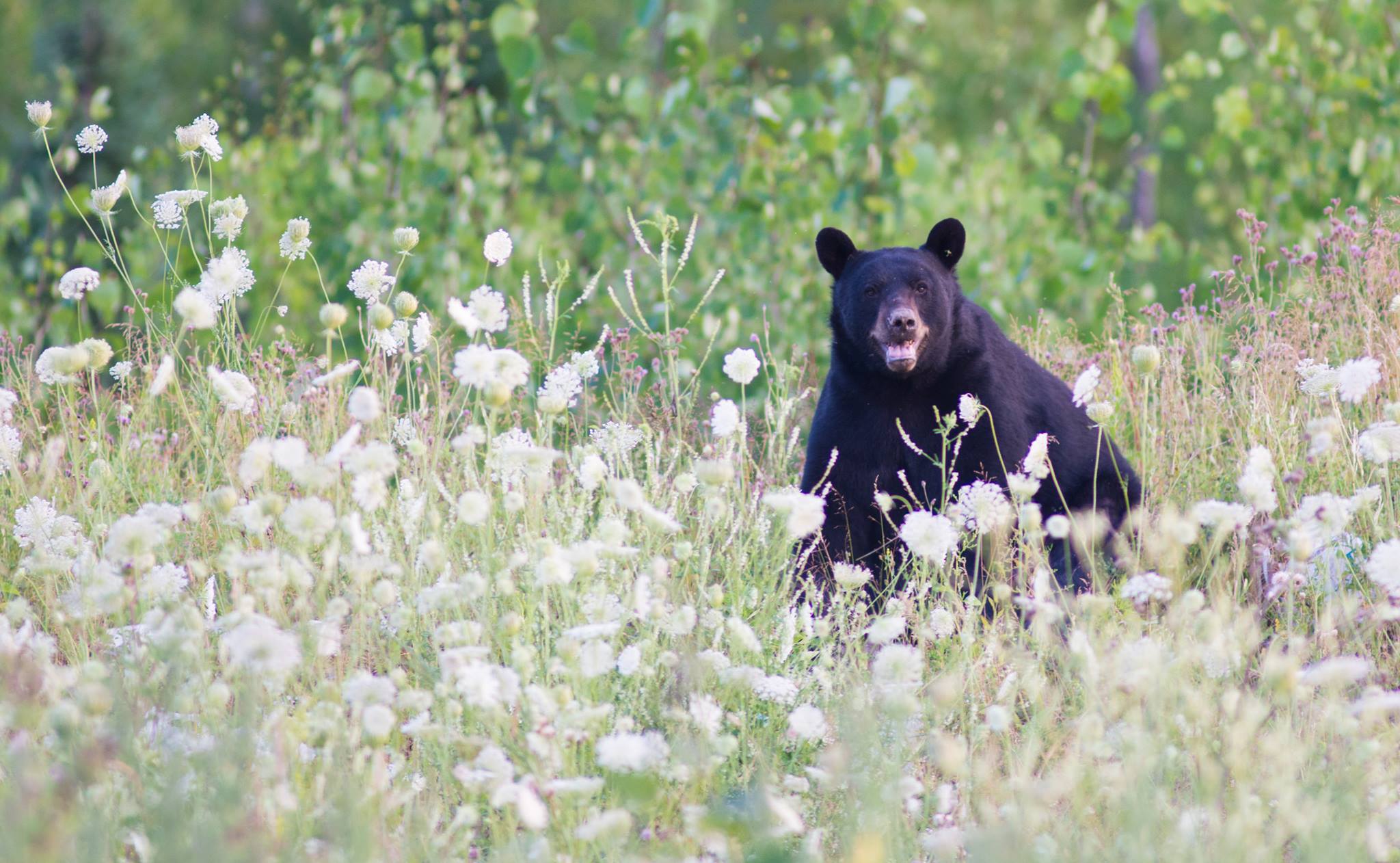
Trails along the Bluffs and in Centennial which were once peaceful will become less so. These trails will widen and erode under heavier foot traffic, and will be lined with whatever humans leave behind along the way. Flora will thin and the natural beauty in these places will change. The Boulevard Lake loop will become congested with walkers, runners, and cyclists. Increased runoff from development will place added strain on water systems connected to Boulevard Lake and Current River, with potential consequences for water quality over time. The deer, bears, coyotes, and other critters who we call neighbours will be pushed into smaller and more fragmented spaces, disrupting natural patterns. And what were once places for play, connection, and reflection will feel crowded, over-trodden, and less safe.
Our neighbourhood will change -but not for the better.
If Thunder Bay follows the trajectory seen elsewhere, the impacts will unfold gradually:
Overuse of remaining parks.
Increased water system strain.
Environmental fragmentation.
Intensified human impact.
Continued policy flexibility.
More development in neighbourhood parkland and greenspaces.
This is not a question about whether 400 units can fit- or ought to be fit, on Arundel. It is a question about precedent -and priority. What does this decision make possible next time? And what does it say about what we are choosing to protect -and what we are willing to give up? These questions are not theoretical.
But Thunder Bay, and especially Current River residents, don’t have to throw in the towel just yet. Other communities that have faced similar infrastructure development threats have been successful in rerouting municipal planning decisions that placed their parks and greenspaces in jeopardy.
In southern Ontario’s Greenbelt, protected land was opened for development under similar justifications -housing and densification.
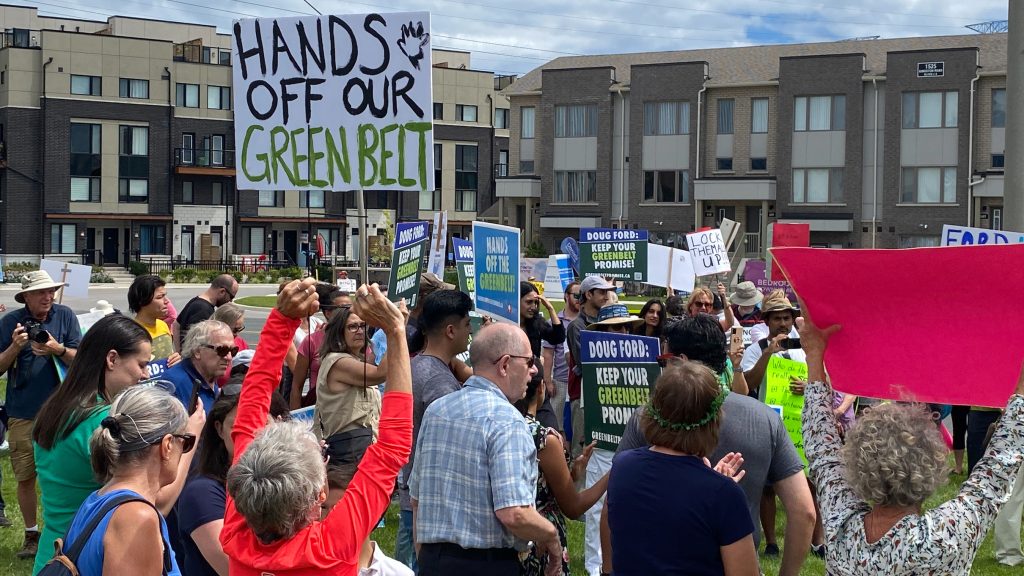
The public response was immediate. Communities recognized that the issue was not just the land –but the precedent. Public pressure grew and scrutiny intensified. And ultimately, the decision was reversed, and the land was returned to protection.
Ontario’s Greenbelt showed that once protections are loosened, the real concern is not just what is lost but what becomes possible next. It also showed that when communities recognize that shift, they can still respond, and in doing so, meaningfully influence outcomes shaped by poor leadership, policy, and planning.
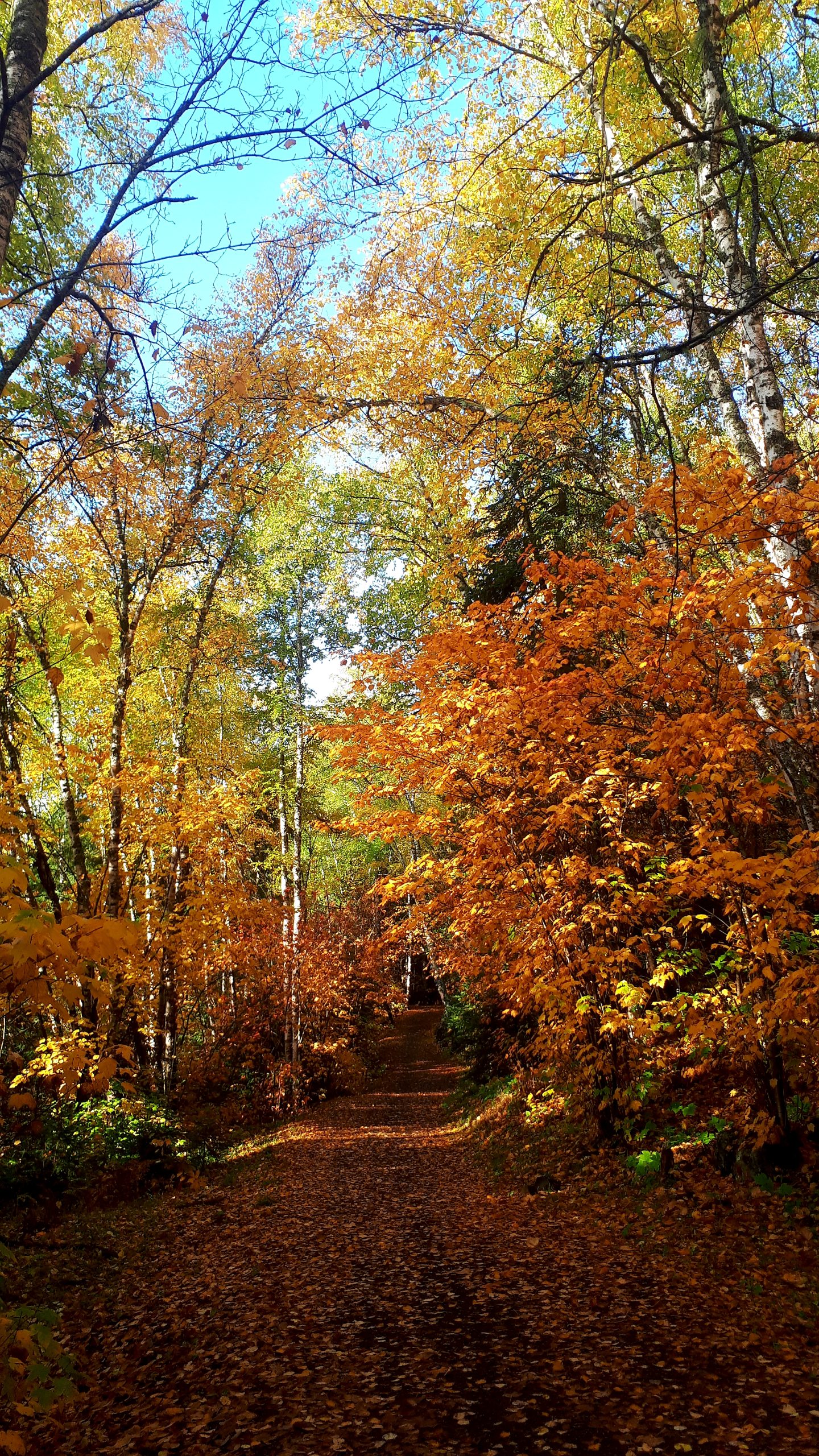
Greenspaces are often spoken of as amenities -features on a map, parcels of land, spaces between things. But they are more than that. They are the places people drift toward without needing a reason. The paths defined not by planning, but by repetition. The open spaces where time slows, where voices carry differently, where the rhythm of the city softens at the edges. They hold the ordinary moments that make up a life -morning walks, children playing, conversation that happens without intention. They hold memory, not as something recorded, but as something lived.
Greenspaces are also part of something larger. They absorb what would otherwise overwhelm, cool what would otherwise heat, and support what would otherwise disappear.
When greenspaces begin to change, the effects are not always immediate. The early changes are subtle -a path widens, a tree disappears, a space feels a little more crowded than it did before. And then, over time, something familiar becomes something else, not gone -but altered in ways that cannot be easily restored.
What we choose to protect is not only what we can measure, but also what we are willing to notice, to cherish, and to carry forward -before it becomes something we remember instead of something we still have.

There is still time to influence what happens to the parkland at 791 Arundel. Community voices truly matter in decisions like this. By coming together and sharing our perspectives and committing to action, we can shape a path forward that reflects what this special place means to Current River. Please take a couple of minutes to complete the survey below and choose to be a part of what comes next. Your voice and your presence matters.
Survey Link: 791 Arundel: Are You In? Community Survey
