
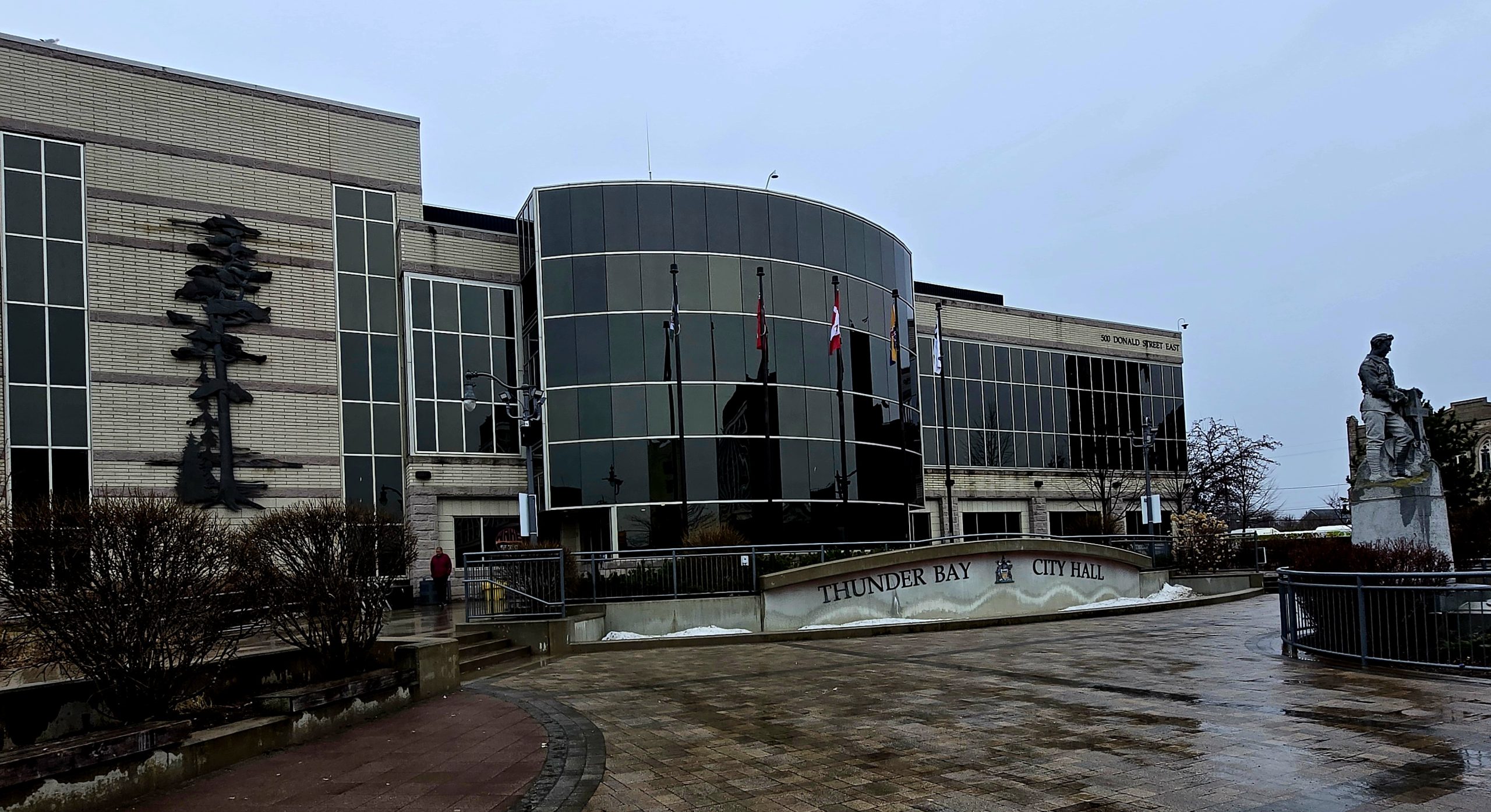

In cities across Ontario, the question of where and how to build new housing is not simply a matter of land availability, but rather a reflection of political will, legal strategy, and the degree to which municipalities are prepared to confront decline in the very places that most urgently require renewal. In Thunder Bay, that question has taken on particular urgency as entire corridors -most notably along Simpson Street, May Street, Victoria Avenue, and Syndicate Avenue, continue to exhibit visible, sustained patterns of neglect, disinvestment, and structural deterioration, even as the City advances development proposals that would place high-density housing within established and functioning greenspaces such as the 791 Arundel parkland.
What is often absent from public discourse, however, is the extent to which Ontario law already equips municipalities with a robust suite of tools -legal, financial, and planning, based, that not only allow but actively support the reclamation, acquisition, and redevelopment of derelict and underutilized properties, particularly in areas where decline has reached a scale that affects not just individual buildings but entire blocks. It is within this legal and strategic framework that the current trajectory of decision-making in Thunder Bay begins to appear less like necessity and more like choice.
At the most assertive end of this spectrum lies the power of expropriation, enabled through the Expropriations Act and supported by municipal authority under the Municipal Act, 2001, which permits a municipality to acquire private property without the owner’s consent where it can demonstrate that the taking is in the public interest, a threshold that has historically been met not only in cases of infrastructure development but also in circumstances where land assembly is required to facilitate economic revitalization, address safety concerns, or enable housing development. While such actions require compensation and carry political sensitivity, they are nonetheless a recognized and legitimate mechanism through which municipalities can intervene in situations of persistent neglect, particularly when that neglect has produced broader community harm.
Yet expropriation is rarely the first step, nor should it be. Ontario’s legislative framework provides a graduated series of enforcement and pressure mechanisms that, when used consistently and strategically, can compel property owners to either rehabilitate their buildings or relinquish them through financial and legal processes, beginning with property standards enforcement under municipal by-laws, supported by the Building Code Act, 1992 and fire safety regulations, which allow cities to issue orders to repair, secure, or demolish unsafe structures, and to undertake that work directly when owners fail to comply, subsequently attaching the costs to the property through liens that accumulate alongside property taxes and steadily erode the financial viability of continued neglect.
In parallel, municipalities can implement vacant building registries and escalating fee structures that impose ongoing financial burdens on owners of unoccupied or deteriorating properties, thereby transforming vacancy from a passive condition into an active liability, while also generating the data necessary to map patterns of disinvestment and prioritize intervention at the neighbourhood scale. This is an approach that has been adopted in several Ontario municipalities precisely to address the kind of corridor-level decline now visible in Thunder Bay’s older commercial and mixed-use districts.
These enforcement mechanisms, when combined with tax arrears processes that can ultimately lead to municipal acquisition through tax sale, form a powerful pathway through which cities can regain control over fragmented and neglected parcels of land, often without the need for formal expropriation. It is through this gradual consolidation -supported by planning tools such as Community Improvement Plans under the Planning Act, that municipalities are able to reposition entire districts for redevelopment, offering incentives, reducing barriers, and aligning local land use policy with broader provincial and federal priorities around intensification and housing supply.
It is here that the disconnect in Thunder Bay becomes particularly striking.
The City of Thunder Bay, identified several Opportunity Sites listed for development, include 4 parcels located within the McKellar Ward: 1) the block bound by Miles, North, and Simpson Streets; 2) Victoria and Simpson intersection; 3) Brodie and Arthur Street-2 sites; and 4) property along May Street.
These are the very types of sites that federal programs such as the Housing Accelerator Fund (HAF) are designed to support -underutilized, vacant, or derelict lands within existing urban areas. And these are present in abundance in the McKellar ward, especially along the Simpson–May–Victoria–Syndicate corridors, where long-standing concerns about building conditions, safety, and economic stagnation have been documented not only through lived experience but also in local reporting and community discourse, with outlets such as TBnewswatch and CBC Thunder Bay periodically highlighting the challenges facing the south core, including boarded-up storefronts, fire-damaged structures, and the broader need for revitalization strategies that address both physical infrastructure and social conditions.
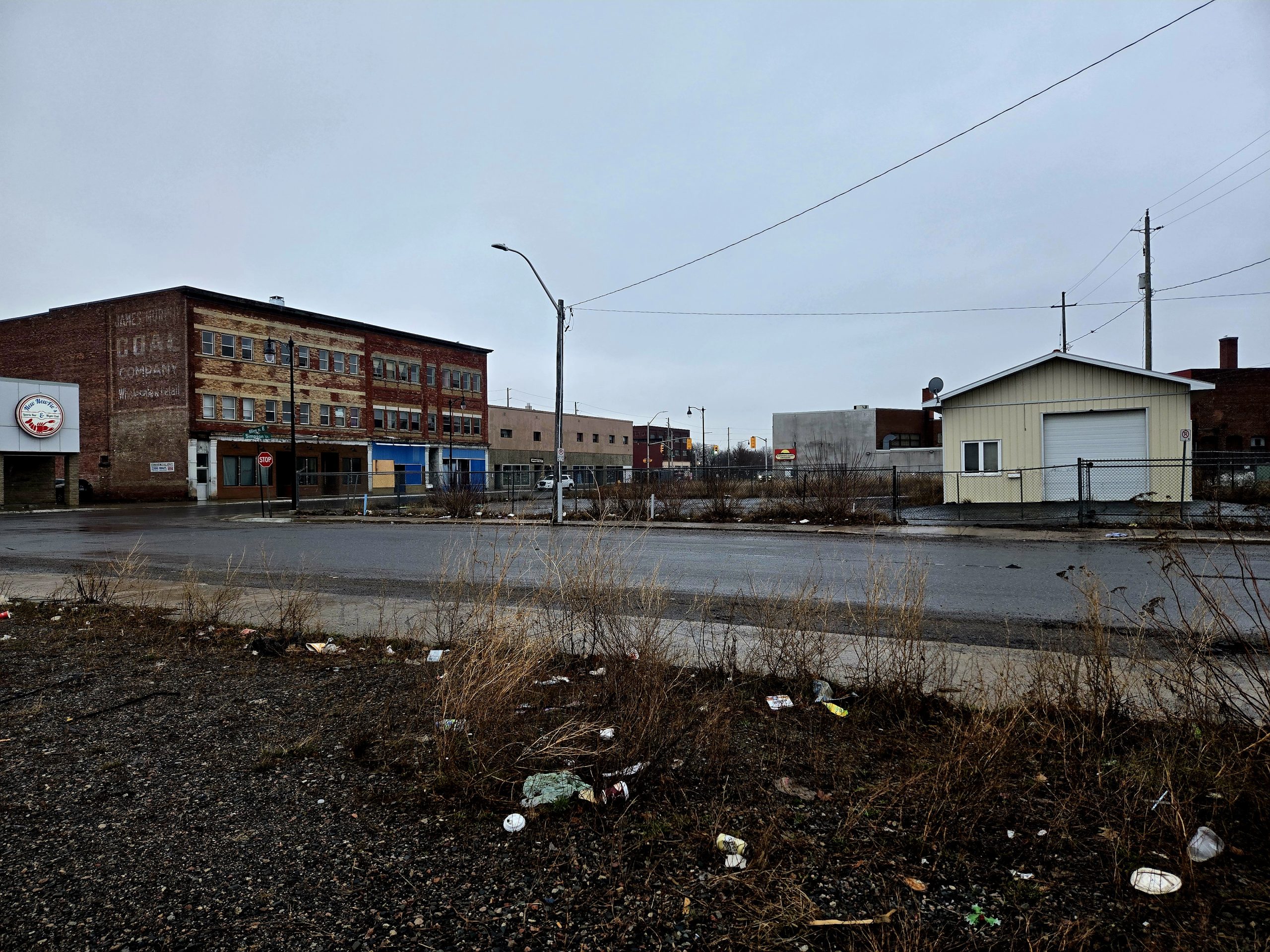
These narratives are not new, nor are they isolated, and they point to a long-recognized understanding within the community that certain areas of the city are in need of targeted, intentional reinvestment, not as an abstract planning exercise but as a matter of public safety, economic recovery, and neighbourhood dignity. Yet, despite this recognition, the strategic deployment of the legal tools available to the City has remained limited, sporadic, or insufficiently coordinated to produce the kind of large-scale transformation that is both possible and, increasingly, necessary.
Against this backdrop, the decision to advance high-density residential development within a functioning parkland such as Arundel does not occur in a vacuum, but rather in contrast to a set of viable, legally supported alternatives that have not been fully pursued. This raises fundamental questions about how land is being prioritized, how public interest is being defined, and whether the path of least resistance is being chosen over the more complex but ultimately more impactful work of reclaiming and revitalizing areas that have long been left behind.
The law does not prevent Thunder Bay from acting on derelict properties. On the contrary. The law provides multiple avenues through which the City could assert control, apply pressure, assemble land, and direct redevelopment toward corridors that would benefit most from renewed investment. When those tools are viewed alongside the policy direction embedded in provincial planning frameworks and federal funding criteria, the case for focusing growth within existing built-up areas becomes not only logical but compelling, particularly when weighed against the loss of established greenspace that has served the community for decades.
What emerges, then, is not a lack of options, but a question of alignment -between policy and practice, between stated goals and implemented strategies, and between the long-term vision of a city that revitalizes its most challenged neighbourhoods and the short-term expediency of developing land that has already proven its value as a place of recreation, ecology, and community connection.
This is where the issue of building in the Arundel parkland finds broader significance as not merely a local dispute over a single site, but as a lens through which to examine how cities choose where to build, and what those choices reveal about whose spaces are preserved, whose are neglected, and whose are ultimately deemed expendable.

